

New Build vs Existing Home: Mortgage and Cost Considerations
Choosing between a newly constructed home and an existing resale property is about far more than granite countertops versus character. The new build vs existing home mortgage comparison reveals different financing structures, different cost profiles, different timelines, and different risks — any of which can matter more than the floor plan you fall in love with.
This guide walks through how mortgages work for each path, where the true costs diverge, and which buyer profiles fit each option best.
Key Takeaways
– New builds often involve construction-to-permanent loans, builder incentives, and phased appraisals; resales use standard purchase mortgages.
– New homes typically cost more upfront but carry lower near-term maintenance and energy costs; existing homes cost less to buy but more to maintain and update.
– New build timelines are uncertain — delays are common — while resale closings follow a predictable 30–60 day path.
– Builder-affiliated lenders offer incentives (rate buydowns, closing cost credits) that deserve careful comparison against independent offers.
– The right choice depends on your timeline flexibility, risk tolerance, renovation appetite, and local market conditions.
How Financing Differs
Mortgages for Existing Homes
Buying a resale home uses the standard purchase mortgage process: get pre-approved, make an offer, complete inspections and appraisal, and close — typically within 30 to 60 days. The property exists, its value is appraisable from comparable sales, and the timeline is largely within your control.
Mortgages for New Builds
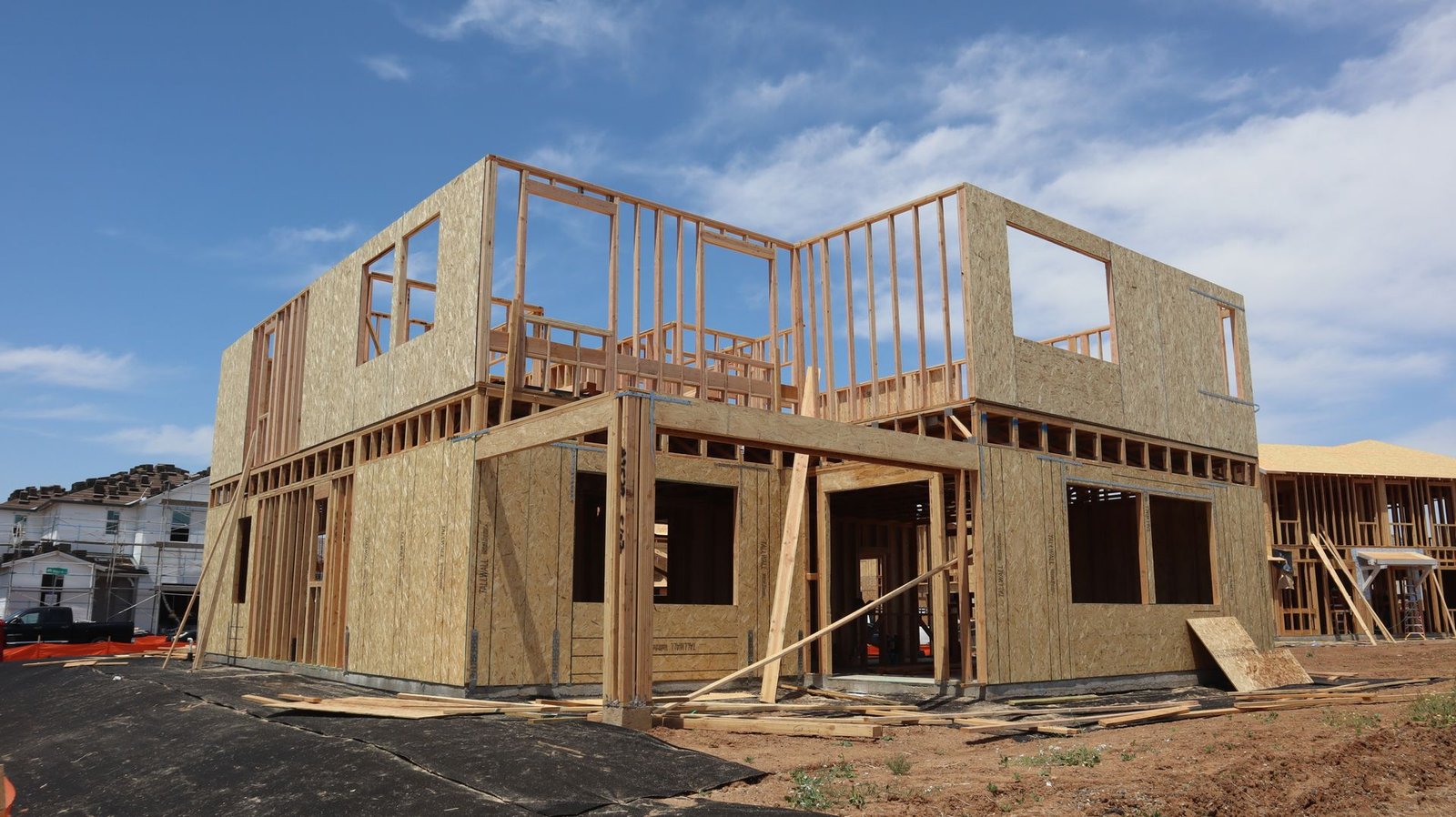
New construction financing is more layered:
- Construction-to-permanent loans combine the building phase and the permanent mortgage in one package, converting automatically when construction completes. During construction, you typically pay interest-only on the amounts drawn.
- Builder financing and incentives. Many builders partner with preferred lenders offering rate buydowns, closing cost credits, or design upgrades. These incentives are real money — but they come with the expectation you use the builder’s lender, whose underlying terms deserve independent comparison.
- Phased appraisals and inspections. The lender verifies progress at construction milestones before releasing funds, adding steps and potential delays.
- Longer rate locks. Since construction takes months, you may need extended rate lock periods, which cost more than standard locks. If rates move during construction, your planning gets complicated.
If you are weighing who should arrange your financing, our comparison of mortgage broker vs direct lender routes applies here too — a broker with new-construction experience can be genuinely valuable, since these transactions have far more moving parts than standard purchases.
Construction Loan Mechanics in Detail
Understanding the construction phase financially prevents surprises:
- Draw schedule. The lender releases funds in stages — foundation, framing, roofing, finishing — after inspecting each milestone. You pay interest only on the amounts drawn, so early-phase payments are small and grow as construction progresses.
- Interest-only period. During construction, payments typically cover interest alone. This keeps carrying costs manageable but means you build no equity until conversion to the permanent mortgage.
- Conversion. At completion, the loan converts to a standard amortizing mortgage (in a true construction-to-permanent product) with no second closing. In two-close construction loans, you refinance into a separate permanent mortgage — with a second round of closing costs and the risk that your financial picture or rates changed unfavorably.
- Contingency reserves. Prudent lenders and borrowers include a contingency buffer (often 10–20% of construction cost) for overruns. Construction rarely finishes exactly on budget; plan for it rather than discovering it.
- Builder approval. The lender vets the builder’s credentials, financials, and track record. A builder your lender will not approve is a builder you should not hire.
Ask your lender to walk through a month-by-month cash flow projection for the construction phase so you can see exactly what you will pay and when.
Cost Comparison: Purchase Price Is Only the Start
Upfront Costs
New builds generally command a price premium over comparable existing homes — you are paying for newness, modern systems, and customization. Existing homes typically offer more square footage per dollar, especially in established neighborhoods.
But compare carefully: builder base prices rarely include the upgrades, lot premiums, and design options that make the model home attractive. The final contract price can run substantially above the advertised starting price. On the resale side, the purchase price is the price — though inspection findings may trigger credits or repairs.
Ongoing and Hidden Costs
- Maintenance. New homes come with builder warranties and new systems — expect minimal maintenance for years. Existing homes, depending on age, can demand significant near-term spending: roofs, HVAC, plumbing, electrical. Budget honestly for the home’s age.
- Energy efficiency. New construction meets current codes: better insulation, efficient systems, lower utility bills. Older homes can be retrofitted, but rarely match new-build efficiency without major investment.
- HOA and community fees. New developments frequently include HOAs with fees covering amenities — factor these into monthly costs permanently.
- Property taxes. New builds are assessed at current values; in some areas, new developments carry special tax districts (Mello-Roos and equivalents) that add meaningful annual costs. Existing homes in long-held neighborhoods may have lower effective tax bases.
- Insurance. New homes often insure for less due to modern construction standards and systems; older homes with outdated wiring or plumbing can cost more to insure.
The Total Cost View
Run both options through a loan amortization calculator with realistic all-in figures — purchase price plus expected near-term maintenance for resales, plus HOA and tax districts for new builds. The monthly payment comparison that results is far more honest than comparing sticker prices.
The Upgrade Trap: How Options Inflate New-Build Prices
Builder pricing is engineered around the model home fallacy. The advertised base price buys the no-frills version; the home you toured includes tens of thousands in upgrades — flooring, countertops, lighting packages, extended patios, smart home features — each priced at builder margins well above retail.
Protect yourself:
- Price the home you actually want before comparing against resales, not the base model.
- Distinguish structural options from cosmetic ones. Structural changes (bonus rooms, extended garages) cannot be added later; cosmetic upgrades (paint, fixtures, landscaping) usually can — and often cheaper after closing.
- Get independent quotes for major upgrades. Builder pricing is convenient, not competitive.
- Remember appraisals. Heavy upgrade packages can push the contract price beyond appraised value, creating a gap you cover in cash.
A disciplined options budget — decided before you enter the design studio — is the difference between a smart new build and an overpriced one.
The Appraisal Challenge on Both Sides
Appraisals cause distinct headaches for each path:
- New builds: appraisers must value a home that does not fully exist yet, using plans, specs, and comparable new construction sales. In rapidly appreciating markets this usually works; in flat markets, or with heavy upgrade packages, the appraised value can fall short of the contract price — leaving you to cover the gap in cash or renegotiate.
- Resales: appraisals rely on recent comparable sales. In bidding-war markets, contract prices routinely exceed appraised values, creating the same gap problem from the opposite direction.
In both cases, understand your contract’s appraisal contingency before you need it: what happens if the appraisal comes in low, who covers the difference, and whether you can walk away. This single clause has saved countless buyers from overpaying.
Timelines and Uncertainty
New Build Timelines
Construction takes months — often six to twelve for a production home, longer for custom builds. Delays from weather, labor shortages, material backlogs, and inspection backlogs are normal, not exceptional. During this period:
- You may be paying rent plus construction-phase interest simultaneously.
- Your rate lock may expire, forcing costly extensions or repricing.
- Life changes (job moves, family needs) can collide with an immovable completion date.
Build a financial buffer for at least a few months of delay, and get delay provisions in writing.
Resale Timelines
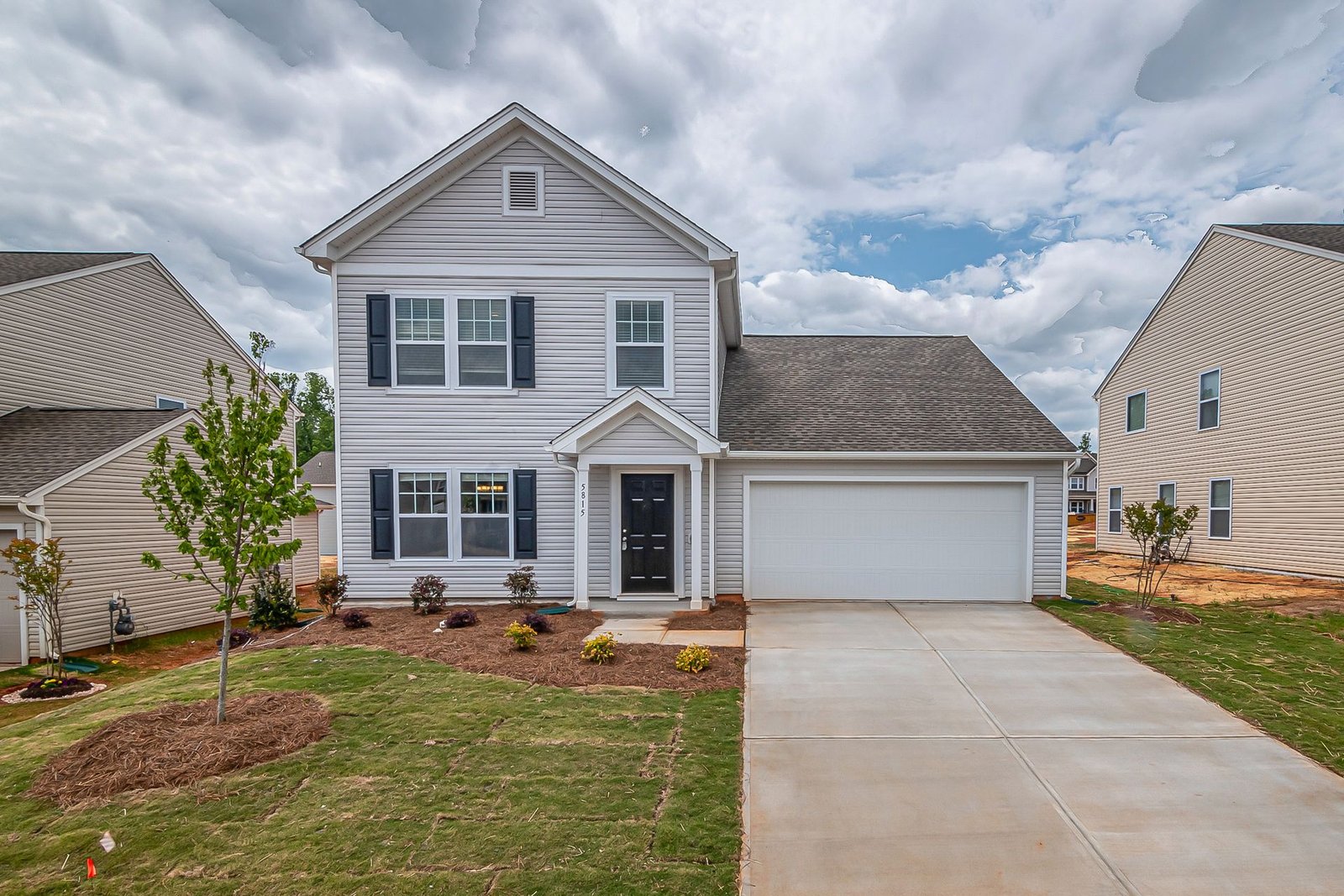
Existing home purchases close on a predictable track: offer acceptance to closing in roughly 30–60 days, with clear contingency milestones (inspection, appraisal, financing). You know the property, the neighborhood, and the exact costs before you commit. For buyers who need certainty — relocations, school calendars, lease expirations — this predictability has real value.
It also enables tighter financial planning. With a known closing date, you can coordinate lease endings, moving logistics, and the sale of a current home with precision — avoiding double housing payments or rushed temporary arrangements. New-build buyers, by contrast, often pay for flexibility they did not want: extended leases, storage units, or interim housing when completion slips. Price that contingency into your comparison.
Quality, Customization, and Risk
What New Builds Offer
- Customization. Choose finishes, layouts, and upgrades within the builder’s options.
- Modern standards. Current building codes, energy efficiency, smart-home readiness.
- Warranties. Builder warranties typically cover workmanship and major systems for defined periods — a safety net resales lack.
- No bidding wars or inherited problems. The price is the price; there are no hidden decades of deferred maintenance.
New Build Risks
- Builder quality varies enormously. Research the builder’s reputation, visit their completed communities, talk to owners, and hire an independent inspector for each construction phase — yes, even for new construction.
- The neighborhood is unproven. Schools, traffic patterns, HOA dynamics, and future development nearby are all unknowns.
- Appraisal gaps. If the completed home appraises below the contract price, your financing can fall through or require extra cash.
- Incentive traps. Builder lender incentives can mask less competitive underlying loan terms. Always get an independent quote to compare.
Warranties Decoded: What Builders Actually Cover
Builder warranties sound comprehensive but have important limits:
- Workmanship and materials are typically covered for the first year or two — the period when most defects surface.
- Major systems (plumbing, electrical, HVAC) often carry two-year coverage.
- Structural elements may be covered for up to ten years, but definitions of “structural” are narrow — foundation issues qualify; cosmetic cracking usually does not.
- What is excluded: normal wear, minor settling cracks, landscaping, and anything damaged by homeowner neglect or modifications.
Read the warranty document before closing, understand the claims process, and document every issue in writing within the coverage windows. A warranty you do not invoke is just paper. And remember: warranties cover defects, not disappointment — if you simply dislike a finish you chose, that is not a claim.
What Existing Homes Offer
- Established neighborhoods with known schools, commute patterns, and community character.
- Negotiability. Inspections give you leverage for credits or repairs; motivated sellers negotiate.
- Immediate occupancy on a known timeline.
- Character and mature landscaping that new developments take decades to replicate.
Resale Risks
- Hidden conditions. Inspections help but cannot see everything — budget a contingency for surprises.
- Outdated systems requiring near-term capital spending.
- Competitive markets where bidding wars push prices above appraised value, requiring appraisal gap cash.
Resale Negotiation Playbook
Existing-home buyers have negotiation tools new-build buyers lack. Use them:
- Lead with inspection findings. A professional inspection report is objective leverage — request credits or repairs for legitimate defects, prioritized by cost and safety.
- Understand seller motivation. Time on market, price reductions, vacant properties, and life events (relocation, divorce, estate) all signal flexibility. Your agent should research this.
- Negotiate beyond price. Closing cost credits, included appliances or fixtures, flexible closing dates, and rent-back agreements can be worth as much as price reductions.
- Know your walk-away number. The strongest negotiating position is genuine willingness to walk away. Set your maximum before emotions engage.
- In competitive markets, compete on terms. Flexible closing, fewer contingencies (used cautiously), and clean financing can win against higher-priced but messier offers.
Location and Lifestyle Factors
New developments tend to sit on the suburban fringe where land is available: longer commutes, car dependence, but more space and newer amenities. Existing homes offer established locations — closer to city centers, with mature infrastructure — but the specific home may need work.
Weigh commute costs honestly: an extra 30 minutes each way is hundreds of hours yearly, plus fuel and vehicle wear. Location affects daily life more than any finish selection.
Also consider the community lifecycle. New developments take years to mature — retail, services, and community institutions arrive gradually, and early residents live through ongoing construction nearby. Established neighborhoods offer these on day one but may face their own transitions: aging infrastructure, changing demographics, or redevelopment pressure. Visit at different times of day and week before committing; a quiet Sunday street can be a congested weekday corridor.
For families, school quality often dominates the location decision. New developments may be zoned for new schools with unproven track records; established areas have years of performance data. Neither is automatically better, but only one lets you verify before you buy.

Decision Framework
- How flexible is your timeline? Tight deadlines favor resale; flexibility opens new construction.
- What is your renovation appetite? Love projects? Resale. Want turnkey? New build.
- Have you priced the all-in monthly cost? Include HOA, taxes, insurance, utilities, and expected maintenance — not just principal and interest.
- How is the local market? In hot resale markets with bidding wars, new builds offer price certainty. In buyer’s markets, resale negotiation can win big.
- Have you vetted the builder (or the inspection)? New build: builder reputation and independent phase inspections. Resale: thorough inspection plus specialist checks for age-related issues.
- What does your gut say about the monthly payment? Beyond the math, consider payment comfort. A technically affordable payment that leaves you anxious every month is not truly affordable — stress has a cost too, and buyers who stretch to their maximum often regret it when the first surprise expense arrives.
- Have you modeled the five-year picture? Where will you be in five years — career, family, finances? Choose the home that fits the trajectory, not just today. A new build’s warranties matter less if you will sell before they expire; a resale’s renovation potential matters more if you plan to stay and improve.
Frequently Asked Questions
Is it cheaper to buy a new build or an existing home?
Existing homes usually cost less upfront per square foot, but new builds save on near-term maintenance and energy. The honest answer requires all-in monthly cost comparison including taxes, HOA, insurance, and expected repairs — not just purchase price.
Do new builds need a home inspection?
Absolutely. Hire an independent inspector for pre-drywall and final inspections at minimum. Builder warranties do not replace verification, and construction defects are common enough to warrant professional eyes.
How do builder incentives affect my mortgage?
Rate buydowns and closing cost credits reduce your costs — but only compare them against independent lender offers on identical terms. An incentive attached to an uncompetitive base rate may still lose to a clean independent quote.
Can I negotiate the price of a new build?
Less than a resale, but negotiation exists: design credits, lot premium waivers, appliance packages, and closing cost contributions are common bargaining chips even when the base price is firm.
What are special tax districts on new developments?
Some new communities carry additional tax assessments for infrastructure (known by various names by region). They can add substantially to annual property taxes for decades. Always ask for the full tax picture, not just the base rate.
Which holds value better long-term?
It depends overwhelmingly on location rather than age. Well-located existing homes in established neighborhoods often appreciate steadily; new builds can face initial depreciation as the “new” premium fades and newer phases compete. Research local trends, not national generalizations.
Should investors prefer new builds or resales?
It depends on strategy. New builds offer low maintenance and attract quality tenants but cost more upfront, compressing rental yields. Resales — especially value-add properties — can generate stronger cash flow after renovation but demand management attention and capital reserves. Run the numbers for your specific market and financing.
How long does new construction usually take?
Production homes typically take six to twelve months from contract to completion; custom builds often take longer. Treat any timeline as an estimate, build in buffer for delays, and get delay provisions in your contract. Ask the builder for their on-time completion record on recent phases — not just the sales estimate.
Are property taxes higher on new builds?
Often yes in effective terms: new builds are assessed at current market values, and many new developments carry special infrastructure tax districts on top of base rates. Get the full projected tax bill — including all districts and assessments — before comparing monthly costs against a resale.
Conclusion
The new build vs existing home decision balances certainty against character, upfront premium against maintenance risk, and customization against established location. Neither option is universally superior — the right answer is always local and deeply personal.
Price both paths honestly with all-in monthly costs, vet the builder or the inspection with equal seriousness, and choose the home whose trade-offs you will be happiest living with for years. The mortgage structure differs, but the fundamental rule does not: understand the full cost, verify everything independently, and never let urgency override diligence.
And remember that the “versus” framing, while useful for analysis, sometimes resolves into a hybrid answer: many buyers tour both, make offers on resales while monitoring new phases, and let the specific opportunity decide. The goal was never to pledge allegiance to new or old — it is to buy the right home, at the right price, with financing you fully understand.
This article is for educational purposes only and is not financial advice. Building regulations, tax treatment, and mortgage products vary by jurisdiction — always verify local rules and consult qualified professionals before committing to either path.