

When debt becomes unmanageable, two of the most drastic relief options sit at opposite ends of the spectrum: debt settlement vs bankruptcy. Both can reduce what you owe, both will damage your credit, and both carry consequences lasting years. Choosing between them — or choosing neither in favor of a less severe alternative — is one of the most consequential financial decisions a borrower can make.
Debt settlement means negotiating with creditors to accept less than the full balance owed. Bankruptcy is a formal legal process, handled through the courts, that can discharge qualifying debts or restructure them into a court-supervised repayment plan. In the US, the two main consumer paths are Chapter 7 (liquidation) and Chapter 13 (repayment); other countries have their own insolvency regimes.
This guide compares both options factually — mechanics, costs, credit impact and timelines, risks, and the questions to work through with a qualified professional. It is educational comparison, not advice: neither option is right or wrong in the abstract.
Key Takeaways
- Debt settlement is a private negotiation to pay creditors less than you owe; bankruptcy is a court-supervised legal process that can discharge or restructure debts.
- Both damage your credit severely and stay on your reports for years — neither is a shortcut back to a clean file.
- Settlement typically takes years, involves fees, and forgiven balances may have tax consequences; bankruptcy is generally faster but carries serious legal and public-record consequences.
- In the US, Chapter 7 generally remains on reports up to 10 years and Chapter 13 up to 7; settled accounts and related late payments typically remain up to 7 years.
- Less drastic alternatives — debt management plans, credit counseling, consolidation — should be evaluated first.
- Consult a qualified bankruptcy attorney or licensed financial professional before choosing either path.

What Debt Settlement Is
Debt settlement — sometimes called debt relief — is getting creditors to accept less than the full amount owed. A creditor owed $10,000 might accept $6,000 as payment in full (illustrative figures only): a loss for the creditor, but more than it would recover if you stopped paying entirely.
How Settlement Works in Practice
Settlement can be done yourself or through a company. The typical company-driven process:
- You stop paying creditors directly, depositing monthly amounts into a dedicated account instead — creditors rarely negotiate with borrowers who are current, so delinquency is built into the strategy.
- Accounts go delinquent while funds accumulate, with late payments reported each month.
- The company negotiates reduced lump-sum payoffs once enough has accumulated.
- You pay the settlements from the account, plus the company’s fees.
The DIY version follows the same logic without company fees, but you handle negotiations, documentation, and tax paperwork yourself.
What Settlement Companies Charge
Settlement companies typically charge fees calculated as a percentage of the enrolled debt or the amount settled, and structures vary widely by provider and jurisdiction — verify local rules, get every fee in writing, and be wary of anyone guaranteeing outcomes.
The Hidden Costs of Settlement
Beyond the stated fees, settlement carries costs people underestimate:
- Credit damage from deliberate delinquency. The months of missed payments the strategy requires are reported and damage your score long before any settlement is reached.
- Potential tax consequences. In the US, forgiven debt can be treated as taxable income (creditors may issue a 1099-C), creating a tax bill — with exceptions such as insolvency, so confirm with a tax professional.
- No guarantee of success. Creditors are not obligated to negotiate; some refuse, others sue. A program can collapse midway, leaving depleted savings, damaged credit, and the original debts plus new legal exposure.
What Bankruptcy Is
Bankruptcy is a legal process, handled through the courts, giving qualifying debtors relief from debts they cannot pay. Unlike settlement — a private negotiation — bankruptcy is governed by statute, supervised by a trustee, and creates a public record. It is also the more powerful tool: where settlement depends on each creditor’s willingness, bankruptcy can impose a resolution creditors must accept.
Nothing here substitutes for advice from a qualified bankruptcy attorney in your jurisdiction. The overview below uses US terminology (Chapter 7 and Chapter 13); the UK, Canada, Australia, and others each have their own insolvency laws.
Chapter 7: Liquidation
Chapter 7 is the faster, more sweeping US consumer bankruptcy. A trustee reviews your assets; non-exempt assets may be sold to pay creditors; most remaining unsecured debts (credit cards, medical bills, personal loans) are discharged. The process typically takes a few months from filing to discharge.
Not everyone qualifies: a means test compares your income to your state’s median, and those above it may be directed toward Chapter 13. Certain debts generally survive — most student loans, recent taxes, child support, court-ordered obligations — so “wiped clean” is an oversimplification.
Chapter 13: Repayment Plan
Chapter 13 is a court-supervised repayment plan lasting three to five years. You keep your assets and pay creditors through the plan according to your income — often a fraction of unsecured debts, with the remainder discharged at the end. It suits borrowers with regular income who want to protect assets (like a home facing foreclosure) that Chapter 7 might expose. Miss plan payments and the case can be dismissed, returning you to the original creditors.
What Bankruptcy Costs
Court filing fees plus attorney fees, varying by chapter, complexity, and location — get written quotes from licensed attorneys. Chapter 13 fees are often higher and may be folded into the plan. Beware suspiciously low flat fees quoted without reviewing your situation; inadequate representation can cost far more than it saves.
Debt Settlement vs Bankruptcy: Side-by-Side Comparison
Here is how the two paths compare across the dimensions that matter most:
- Nature: Settlement — private negotiation with each creditor. Bankruptcy — formal court-supervised legal proceeding.
- Creditor cooperation: Settlement — voluntary; any creditor can refuse or sue. Bankruptcy — court orders bind creditors; the automatic stay halts most collection immediately.
- Which debts: Settlement — typically unsecured debts like credit cards. Bankruptcy — broader, though student loans, taxes, and support obligations generally survive.
- Timeline: Settlement — often two to four years, no fixed end date. Bankruptcy — Chapter 7 often a few months; Chapter 13 three to five years.
- Upfront credit damage: Settlement — severe, from deliberate delinquencies the strategy requires. Bankruptcy — severe, from the filing plus prior delinquencies.
- Public record: Settlement — private. Bankruptcy — public court record, which can affect employment, clearances, and housing in some cases.
- Tax consequences: Settlement — forgiven amounts may be taxable income (US; confirm with a tax professional). Bankruptcy — discharged debts generally are not.
- Cost structure: Settlement — company fees plus settlement payments. Bankruptcy — court filing fees plus attorney fees.
- Certainty: Settlement — uncertain; depends on each creditor. Bankruptcy — qualifying and completing the process yields a legally binding discharge.
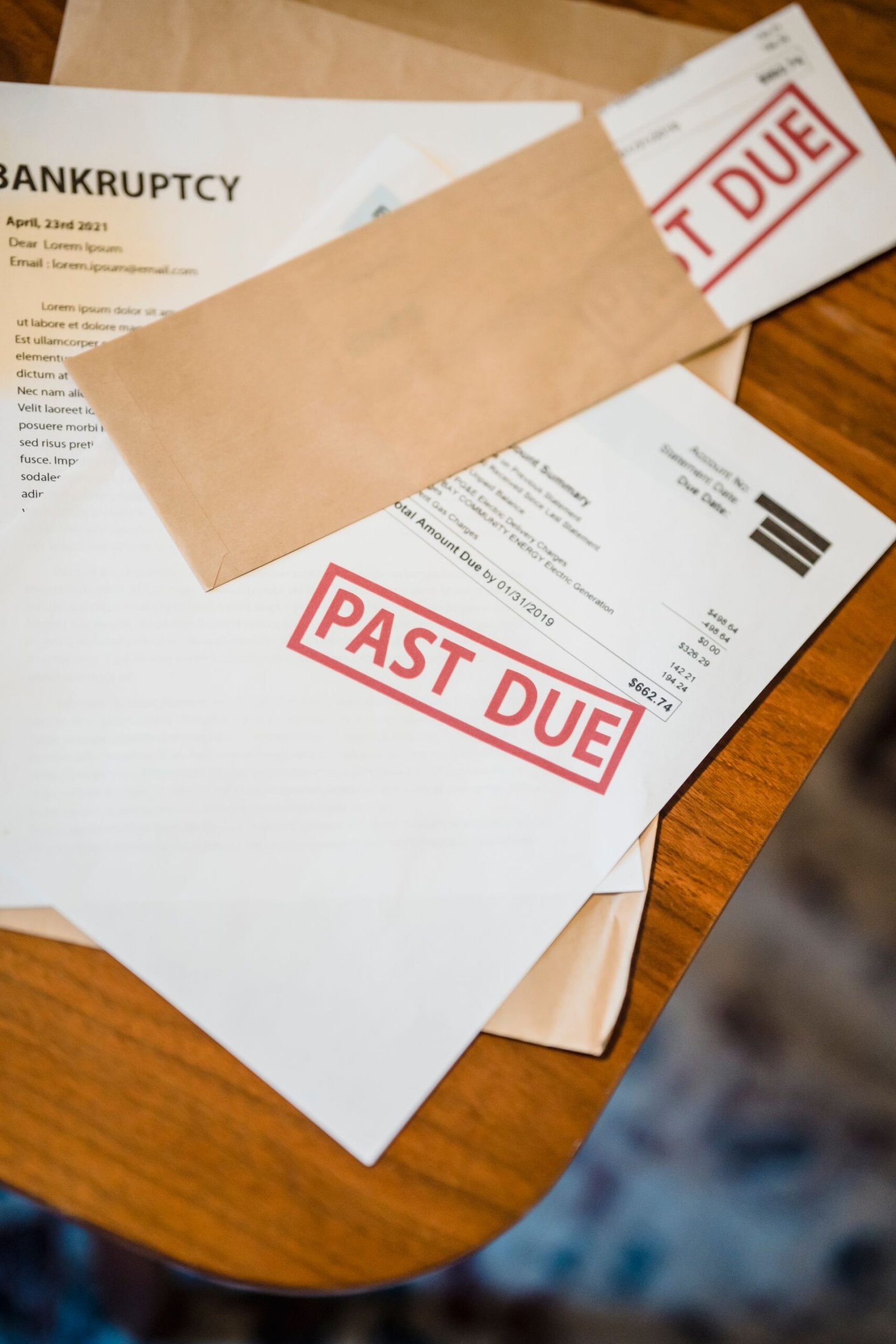
Debt Settlement vs Bankruptcy: Which Damages Your Credit Less?
This is the question behind most comparisons, and it deserves honesty: both damage credit severely, and the difference is usually smaller than people hope. Neither is gentle — but the mechanics and timelines differ in ways worth understanding.
How Debt Settlement Hits Your Credit
Settlement damages credit in stages: months of deliberate missed payments, then possible charge-offs, then “settled for less than the full balance” marks — typically remaining on US reports for up to seven years. The cruel irony: by the time the first settlement is reached, credit is often as damaged as under bankruptcy, but without its legal finality — and because settlements happen account by account over years, fresh negative marks keep resetting the recovery clock.
How Bankruptcy Hits Your Credit
Bankruptcy is typically the single most severe negative item on a credit report. In the US, Chapter 7 generally remains for up to 10 years from filing; Chapter 13 for up to 7. The score drop is usually dramatic — though borrowers already deeply delinquent have less far to fall.
But bankruptcy has a structural advantage: finality. Once debts are discharged, the bleeding stops — no new delinquencies, no lingering collections updating monthly. Scores often begin recovering within a year or two of discharge, from a low base but on a clean trajectory, because scoring models weigh recent behavior most heavily. See our FICO vs VantageScore comparison for how the models treat negative history over time.
The Honest Verdict
Strictly on credit footprint, bankruptcy — particularly a completed Chapter 7 — often offers the shorter path back to rebuildable credit, because it ends the damage decisively while settlement can prolong it for years. But “shorter path back” does not mean “better choice”: bankruptcy’s legal, professional, and public-record consequences can outweigh its credit-timeline advantage depending on your career, assets, and jurisdiction.
More importantly, “which hurts less” is the wrong framing. The right question is which path — if either — resolves your situation given your income, assets, debt types, and goals. A borrower with steady income and card debt might resolve things through a debt management plan without touching either option. The credit impact is one input among many — not the decision.
Costs Compared: What Each Path Really Takes From You
Both paths cost money — a painful irony for people seeking relief because they have none.
Debt Settlement Costs
- Company fees — typically a percentage of the enrolled or settled debt, varying widely; get written quotes and verify your jurisdiction’s fee rules.
- The settlements themselves — you still pay a substantial portion of each balance; settlement reduces debt, it does not erase it.
- Potential tax bills — forgiven amounts may count as taxable income in the US.
- The cost of failure — if creditors refuse or sue mid-program, months of fees are gone while the original debts plus interest, late fees, and legal costs kept growing.
Bankruptcy Costs
- Court filing fees — set by statute; modest relative to the debts but real money in distress.
- Attorney fees — the significant cost; Chapter 7 is typically a flat fee paid upfront, Chapter 13 higher and often paid through the plan. Get written quotes from more than one licensed attorney.
- Mandatory counseling — US filers must complete approved credit counseling before filing and debtor education before discharge.
The Affordability Trap
Both paths share one trap: they require money from people who are out of it — steady monthly deposits for years (settlement) or lump-sum attorney fees upfront (bankruptcy). Borrowers who cannot sustain either often churn: starting programs, defaulting, ending worse off. Do brutally honest cash-flow math before committing. If the payments are not sustainable, neither path is viable yet — and nonprofit credit counseling, often free or low-cost, deserves a first look.## Timelines: How Long Each Path Takes
- Debt settlement: Typically two to four years, no guaranteed end date — each creditor negotiates independently, and holdouts or lawsuits extend the timeline.
- Chapter 7 bankruptcy: Often a few months from filing to discharge — the fastest formal resolution available (the credit-report mark lasts up to 10 years in the US).
- Chapter 13 bankruptcy: Three to five years of plan payments, then discharge — shorter than many settlement programs, with a court-enforced end date.
Time matters beyond patience: during a multi-year settlement program you remain exposed to lawsuits, growing balances, and repeated credit damage. Bankruptcy’s automatic stay halts most collection activity the moment you file — one of its most immediate benefits.

Risks and Downsides Most People Overlook
Debt Settlement Risks
- Lawsuits during the program. Creditors can sue at any point before settlement; a judgment can lead to wage garnishment or bank levies depending on jurisdiction.
- Growing balances. Interest and late fees accrue while you are not paying, partly offsetting the “settlement discount.”
- Scams and bad actors. The industry attracts fraud: companies collecting fees without negotiating or making unrealistic promises. Check regulators, read contracts fully, never sign under pressure.
- Partial success. Settling three of five debts leaves two still collecting — and still suing.
Bankruptcy Risks
- Public record. Filings are public and can surface in background checks, affecting security clearances, professional licensing, and housing applications.
- Asset exposure. Chapter 7 can require surrendering non-exempt assets; exemptions vary widely by jurisdiction — local legal advice is essential.
- Not all debts go away. Student loans (usually), recent taxes, child support, and fraud-related debts generally survive. Borrowers with mostly non-dischargeable debt gain little.
- Future borrowing friction. The mark affects credit applications for years; some lenders ask about bankruptcy history indefinitely.
- Stress. Detailed financial disclosure, trustee scrutiny, and creditor meetings make the process emotionally taxing.
Decision Framework: Questions to Work Through With a Professional
Neither option should be chosen from an article alone — but these questions will make any professional consultation far more productive:
- What types of debt do you have? Mostly credit cards and medical bills (both options viable)? Mostly student loans or tax debt (bankruptcy helps less)? Secured debts like a mortgage (different tools apply)?
- What is your income trajectory? Steady income supports Chapter 13 or settlement deposits; very low or irregular income points toward Chapter 7 — if you qualify — or nonprofit alternatives.
- What assets must you protect? Home equity, retirement accounts, a work vehicle — each faces different exposure under each path, and exemptions are jurisdiction-specific. This question alone justifies an attorney consultation.4. Are you already being sued? Active lawsuits change the calculus: bankruptcy’s automatic stay halts them immediately; settlement offers no such protection.
- What does your career require? Roles involving clearances, financial licensing, or fiduciary duties can be sensitive to bankruptcy filings — understand the stance before filing.
- Have you exhausted less drastic options? A debt management plan, a balance transfer or consolidation loan, or a disciplined avalanche or snowball payoff strategy resolves many situations without either drastic path.
- Can you sustain the path to completion? An abandoned program or dismissed Chapter 13 leaves you poorer with debts intact — do the cash-flow math first.
Alternatives Worth Considering First
Both settlement and bankruptcy are last-resort tools. Before either, evaluate:
- Nonprofit credit counseling. Licensed counselors review your full picture — often free or low-cost — and may propose a debt management plan: consolidated payments at reduced rates, no new loans, no courts. See our credit counseling vs DIY payoff comparison.
- Debt management plans (DMPs). Structured repayment through a counseling agency, typically three to five years, with creditor concessions on rates and fees — less credit damage than settlement, no court involvement.
- Consolidation loans or balance transfers. For borrowers whose credit is still intact, combining debts at a lower rate can make payoff feasible — see our debt consolidation loan vs balance transfer card comparison.
- Direct hardship negotiation. Calling creditors yourself to request hardship programs or modified terms costs nothing and involves no third-party fees.
- Doing the math on minimums. Sometimes the numbers work: a strict budget plus an aggressive payoff order can clear debts that felt insurmountable.
The common thread: every alternative above preserves more options than the drastic paths. You can escalate from counseling to settlement to bankruptcy as situations worsen; you cannot easily move backward.
Frequently Asked Questions
Which is worse for my credit: debt settlement or bankruptcy?
Both are severe. Settlement damages credit through months or years of deliberate delinquencies plus “settled for less” marks; bankruptcy is typically the single most severe report item. In the US, settled accounts generally remain up to 7 years, Chapter 13 up to 7, Chapter 7 up to 10. Bankruptcy often offers the faster recovery because it ends the damage decisively — but the “better” choice depends on far more than credit impact, so consult a qualified professional.
Can creditors refuse a debt settlement offer?
Yes. No creditor must negotiate or accept less than the full balance — some refuse as policy, others sue instead. This uncertainty is settlement’s central weakness versus bankruptcy, where court orders bind creditors.
Will I lose my house or car if I file for bankruptcy?
It depends on the chapter, your equity, and your jurisdiction’s exemptions. Chapter 13 is designed to let filers keep assets while repaying through a plan; Chapter 7 may require surrendering non-exempt assets. Exemption rules vary widely — attorney-advice territory.
Is forgiven debt taxable?
In the US, canceled debt can generally count as taxable income, and creditors may issue a 1099-C — including for settled debts. Debts discharged in bankruptcy are generally excluded. Exceptions exist (notably insolvency), so confirm your situation with a tax professional.
How long does debt settlement take?
Typically two to four years, with no guaranteed end date — each creditor negotiates independently. Chapter 7 often concludes within months; Chapter 13 runs three to five years on a court schedule.
Can I settle debts myself instead of hiring a company?
Yes, avoiding company fees. Save funds, negotiate lump-sum payoffs, and get every agreement in writing before paying. It takes negotiation comfort, meticulous documentation, and follow-through discipline.
Does bankruptcy wipe out all my debts?
No. In the US, most student loans, recent taxes, child support and alimony, court fines, and fraud-related debts generally survive. If your debts are mostly non-dischargeable, bankruptcy offers limited relief — get professional analysis of your debt mix first.
Should I stop paying bills to qualify for settlement or bankruptcy?
Deliberately missing payments to “look worse” is dangerous: missed payments damage credit immediately and can trigger lawsuits, and no legitimate professional needs manufactured distress. If you cannot pay, document that honestly — it is not a strategy to perform.
Conclusion
The debt settlement vs bankruptcy comparison has no universal winner — only tradeoffs matched to circumstances. Settlement is private and avoids court, but it is slow, uncertain, requires deliberate delinquency, and can leave tax bills and unfinished business. Bankruptcy is fast and legally final, but it is public, carries professional and asset consequences, and marks credit for up to a decade.
Neither should be a first resort. Nonprofit credit counseling, debt management plans, direct hardship negotiation, and disciplined payoff strategies resolve many debt crises without the severity of either option — and preserve your ability to escalate later. Start with the least drastic tool that can plausibly work; if the numbers still do not work, get professional help first: a licensed bankruptcy attorney for the legal path, a nonprofit counselor for the full picture, and a tax professional for the consequences.
This article is for educational purposes only and is not financial advice. Loan products, rates, and regulations vary by lender and jurisdiction — always verify terms in writing and consider consulting a qualified financial professional before borrowing. The examples used are hypothetical illustrations, not offers or predictions.